





Education - Homeschooling and Learning Resources Welcome to More4kids, Education and Homeschooling!

Socialization Ideas for the Homeschooled Child

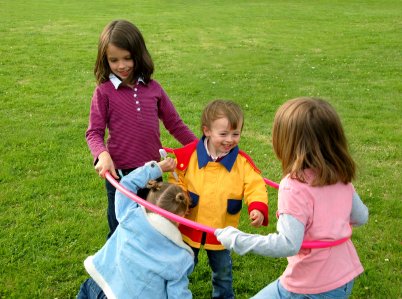
homechooled kids from different families playing together in park - by Angie Shiflett

When parents educate their children at home, one of the most common concerns from other individuals includes that of socialization. People often are under the impression that the lack of interaction between the homeschooler and other children that attend public and private educational institutions can actually cause severe social damage. This is much farther from the truth than many realize. Here, you will be introduced to basic socialization concerns for homeschoolers, as well as many ideas to increase socialization among homeschooled children.

The first thing that you should understand as a homeschooling parent is the basic purpose and intention behind socialization. Socialization is an event, or series of events, that allows a young child to interact with other individuals. The child is encouraged to interact with many individuals. The people that the child interacts with should be those of various ages, backgrounds, religious beliefs, cultural beliefs, races, and genders. This type of interaction can assist children in preparation for “real world” situations.

Children who attend public and private educational institutions do interact with others. Normally, however, it is children their own age. In addition to this, they may interact with the faculty and staff of the educational facility. However, this interaction is often limited and monotonous. However, the homeschooled child is held by very little boundaries on which they can interact with. Many homeschoolers interact with various people in the community on a consistent basis. In addition to this, many homeschoolers are more comfortable interacting with others because of the freedom that they have to do so.

While children who attend basic educational establishments are learning about the core requirements that the State and Federal Government requires, the homeschooled child is learning that and seeing the activity behind the lessons. Children educated at home are encouraged to learn the basic rules of society, the beliefs and values that are required to function appropriately in society, and are taught the “how” and “why” behind many of the everyday systems that are upheld and valued in society.

Children in traditional classroom settings are often discouraged from socializing. Yes, that is correct! Do you remember being punished or reprimanded for speaking in class? Have you ever heard a teacher saying “We are not to be socializing”? This type of environment can be very condescending for the child. Children are naturally inquisitive. They love to talk. They love to learn, when this happens, the child has a higher level of self-confidence. They are more secure with themselves and the world that they are a part of. When it is not permitted, children become withdrawn, lack confidence, and fear the world around them.

If you are a homeschooling family, and are looking for ways to increase the socialization of your children, I have outlined a few good ideas to get you started below:

  • One of the best methods of socialization for the homeschooled child is to join a support group for homeschoolers. Families can get together and go on field trips, have a picnic, visit the park, or simply just visit one another. 
  • Encouraging your child to interact with the community is a great way to increase socialization levels. Children can create a “keep our community clean” program and encourage members of the community to join. There may be community sports teams that your homeschooled child can join. Children can also volunteer at local homeless shelters and soup kitchen. These activities allow a child many different and unique methods to socialize with a variety of individuals. 
  • Setting up field trips to fire departments, police stations, and similar places can help a child to learn more about their community and socialize with individuals that help their community remain safe to live in.

There are a large number of ways that socialization can be achieved in the classroom. All it takes is a little creativity, and a lot of effort. In the end, your homeschooler will have the necessary life skills to survive whereas the child that attends a traditional classroom will suffer from lack of socialization skills.

Biography:
Angie Shiflett is a content specialist that focuses on writing on an assortment of topics. Currently, her passion is homeschooling. She has been homeschooling her children through The Connections Academy for two years now. Both her and her husband are able to remain at home with their children in order to educate them. They place a high emphasis on family, and dedication to the importance of a proper education. You may find other articles by Angie Shiflett by visiting: http://www.ehow.com/members/ashiflett.html

This article is the copyright of More4kids Inc. No part may be copied or reproduced in any form without the express permission of More4Kids Inc © 2008 All Rights Reserved

Leave a Comment